method – 15 – Casual togetherness
We’re just hanging out together. Stories often come out spontaneously, like a flash of inspiration or a rush of emotion. You always have to have a pen and a notepad ready to jot down those snippets of sentences. But it can also be the other way around. Nothing comes at all. You have to develop a method that gives people space to tell their stories. You live with the people, work with them in the kitchen or in the garden.
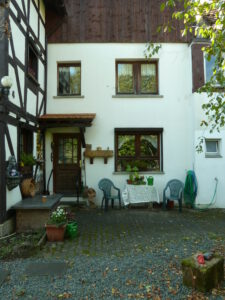
Sometimes I would just sit in the kitchen. I’d then casually ask a question. While standing or walking by, people would offer half-sentences and snippets, which I’d jot down exactly as they were, and at some point I’d pick up on those snippets again. That’s how a conversation would develop, along with a sense of calm in our exchange about a difficult matter—as it turned out later. The family had been both German and French for generations. It was never clear who in their family had done what. Everyone in the family had a different version of the story. J. was torn.
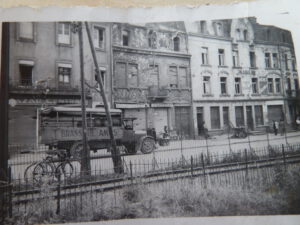
a french town in East France – Rombas
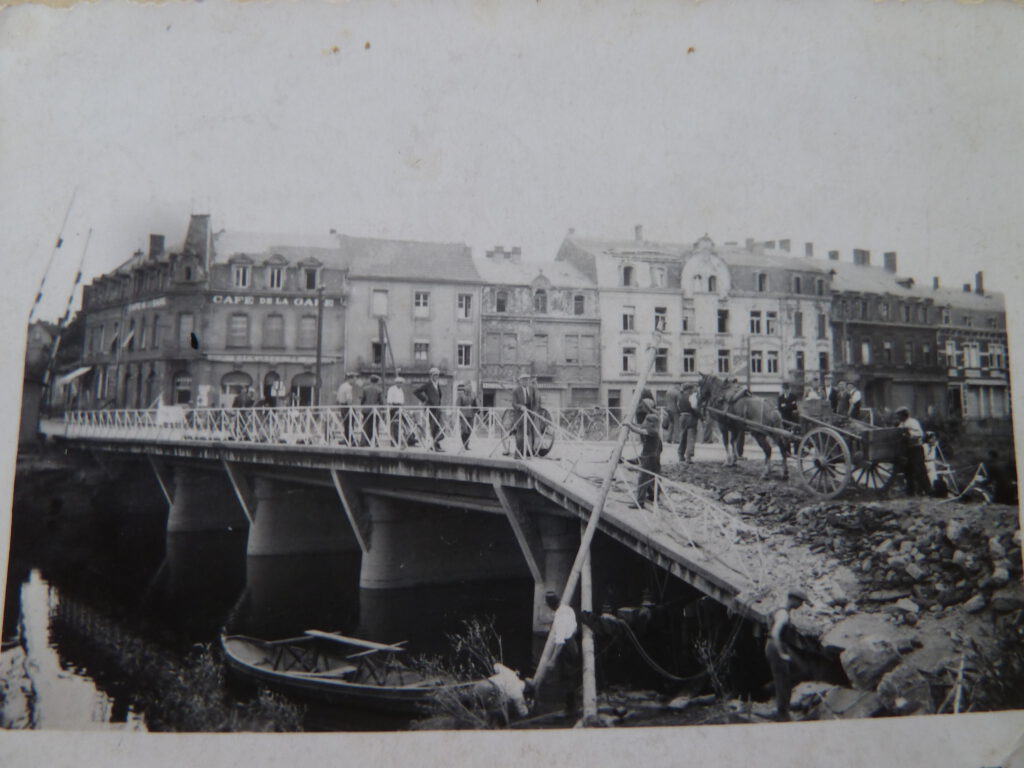
Photo on the right: a destroyed bridge in the town of Rombas. On the back, written in German in Sütterlin script with a pencil, is the note: “A monument to France.” Further down, written in German and Latin script with a ballpoint pen, is the date: “June 20, 1940.”
Who destroyed the bridge? Was it the German Wehrmacht when it occupied the French town of Rombas, or was it the French in an attempt to prevent the German invasion? Rumors continue to circulate within the family to this day.